Former Federal Reserve Governor Kevin Warsh presented eight key takeaways at the Jackson Hole Economic Symposium on August 29, 2026, outlining central bank policy dynamics and broader macroeconomic expectations. For foreign exchange and futures traders, Warsh's analysis underscores structural considerations around central bank independence, neutral interest rate levels, and liquidity conditions. Understanding these central bank perspectives provides retail and prop-firm challenge traders with necessary context when evaluating US CPI data and interest rate expectations across major financial markets.
Key takeaways
- Former Federal Reserve Governor Kevin Warsh outlined eight central bank takeaways at the Jackson Hole Economic Symposium on August 29, 2026.
- Structural economic factors suggest central bank policy rates may settle at higher neutral levels than pre-pandemic baselines.
- Foreign exchange markets face ongoing repricing risk as central bank monetary policy divergence drives foreign exchange currency differentials.
- Equity index futures traders must account for shifting liquidity conditions and discount rates as monetary policy frameworks evolve.
What Happened at the Jackson Hole Economic Symposium
According to coverage by Investing.com, former Federal Reserve Governor Kevin Warsh addressed central bankers and economists at the Jackson Hole Economic Symposium on August 29, 2026, delivering eight critical observations on current monetary framework challenges. Warsh focused on the structural mechanics governing modern central banking, emphasizing how structural fiscal deficits, productivity trends, and central bank balance sheet management intersect with inflation targets.
The annual Jackson Hole symposium serves as a primary venue for monetary authorities to signal long-term policy shifts. Warsh's commentary focused on the credibility of central bank targets, the limitations of forward guidance, and the necessity of maintaining inflation discipline amid changing global macroeconomic conditions. For market participants, these takeaways offer a macro framework for assessing how the Federal Reserve and international central banks may react to upcoming economic data releases.
Why Warsh's Central Bank Perspective Matters for Traders
Macroeconomic commentary from prominent monetary figures directly impacts asset pricing across foreign exchange, fixed income, and stock index futures markets. When central bank commentary signals structural shifts in interest rate paths, financial markets must adjust valuation models and risk premiums across multiple asset classes.
Foreign Exchange and the US Dollar
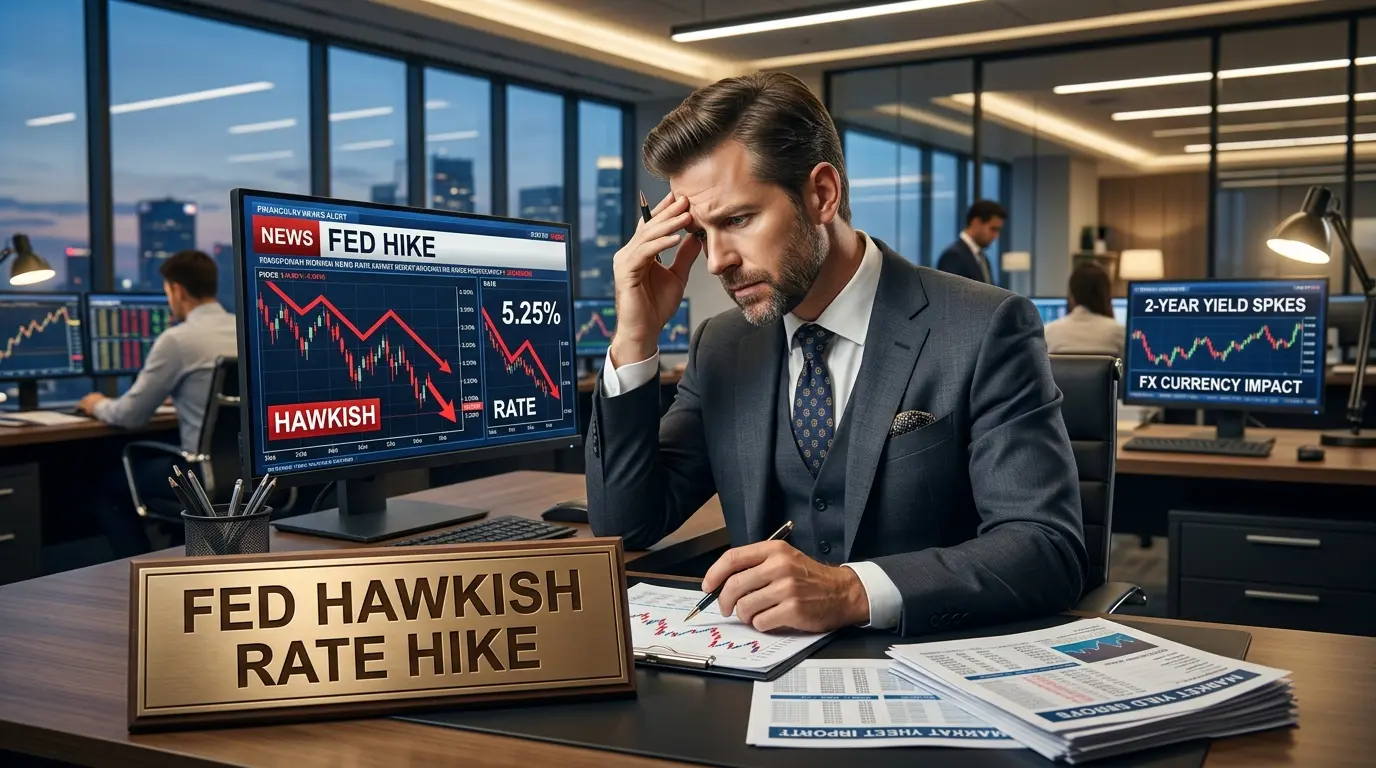
Foreign exchange currency pricing relies heavily on relative interest rate differentials between sovereign central banks. Warsh's core takeaways highlight how structural inflation pressure and fiscal policy expansion could force monetary authorities to maintain higher baseline borrowing costs. When rate expectations remain elevated, the US dollar frequently retains yield support against foreign currencies whose central banks face weaker economic growth profiles. Foreign exchange traders analyzing US dollar pricing and inflation expectations should recognize that long-term monetary policy assumptions dictate major currency trend directions.
Equity Index Futures and Treasury Yields
For index futures traders, central bank policy shifts alter equity discount rates and risk premiums. Higher projected policy rates increase corporate debt financing costs, which compresses valuation multiples for growth and technology equities within the E-mini Nasdaq 100 and S&P 500 contracts. As traders weigh stock futures and Fed policy silence, insights from figures like Kevin Warsh provide clarity on how structural central bank balance sheet decisions influence financial market liquidity.
Risk Management for Prop Traders
Proprietary challenge traders evaluating programs at evaluation platforms like FTMO or trading futures through Goat Funded Futures must navigate elevated volatility around central bank events. Sudden revisions to interest rate projections can trigger sharp moves in currency pairs and Treasury contracts, testing account drawdown limits and leverage boundaries.
What FX and Futures Traders Should Watch Next
Following high-profile central bank commentary at Jackson Hole, retail traders should monitor specific economic catalysts to confirm whether policy expectations align with economic reality:
- Upcoming Federal Reserve Rate Decisions: Track interest rate futures pricing to determine how money markets digest central bank messaging.
- US Employment and Inflation Data: Monitor Non-Farm Payrolls and Consumer Price Index reports to evaluate whether economic trends support central bank policy targets.
- Treasury Yield Curve Movements: Observe two-year and ten-year yield spreads to identify shifts in market recession expectations and monetary policy trajectories.
Frequently asked questions
How does Kevin Warsh's Jackson Hole speech impact the US Dollar?
Kevin Warsh's Jackson Hole address highlights structural central bank factors that directly influence interest rate expectations. When monetary policy commentary signals higher terminal rates or extended balance sheet runoff, yield differentials tend to support the US dollar relative to lower-yielding foreign currencies. Traders monitor rate expectations to gauge dollar strength across foreign exchange markets.
Why is the Jackson Hole Economic Symposium important for futures traders?
The Jackson Hole Economic Symposium serves as a major forum for central bankers to communicate structural policy shifts. Futures traders utilize these macroeconomic signals to reprice Treasury yields, repricing equity valuation multiples and equity index futures contracts like the E-mini S&P 500 and Nasdaq 100 based on projected borrowing costs and liquidity conditions.
How should prop firm challenge traders manage risk around central bank speeches?
Prop firm challenge traders should adjust position sizing and widen stop-loss parameters before major macroeconomic events like Jackson Hole speeches. Elevated volatility during central bank announcements can trigger slippage and sudden drawdowns. Maintaining strict daily loss limits helps challenge traders protect account capital during volatile monetary policy commentary.
Trading carries a substantial risk of loss; past performance and prior market reactions do not guarantee future results. This is market commentary, not advice.