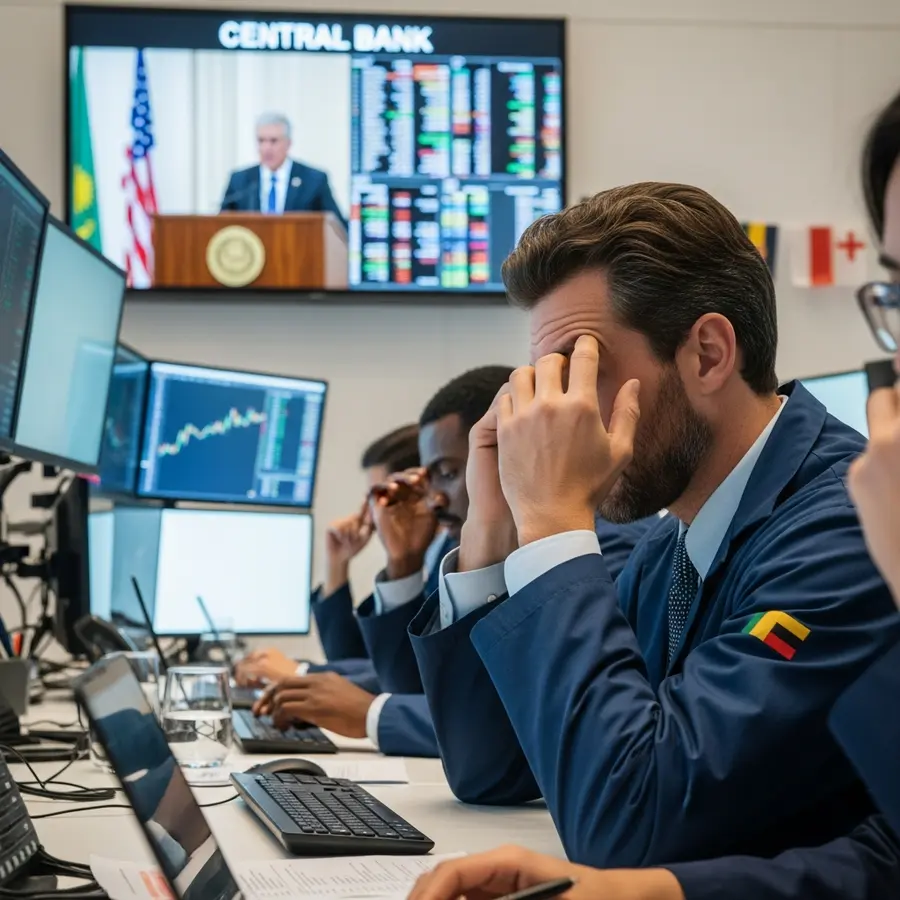
Japan is edging toward the exit on buying American debt, a structural shift that threatens to impact 401(k) retirement plans and reprice global bond markets, according to a July 28, 2026, report by MarketWatch. For forex and futures traders, Japan's pivot away from United States Treasury bonds signals a critical loss of foreign demand, which mechanically forces American bond yields higher and alters the baseline liquidity dynamics of the US dollar.
Key takeaways
- Japan is preparing to scale back its purchases of United States debt, removing a massive buyer from the sovereign bond market.
- MarketWatch explicitly warns that Japan's exit matters directly for everyday 401(k) retirement plans.
- Futures traders are pricing in higher United States Treasury yields as the market seeks alternative buyers to fill the void left by Japanese institutions.
- Forex market participants are analyzing how reduced cross-border capital flows will impact the fundamental valuation of the USD/JPY currency pair.
What happened with Japan and United States debt
On July 28, 2026, MarketWatch reported that Japan is edging toward the exit on buying America's debt. Japan has historically functioned as one of the largest foreign creditors to the United States, absorbing massive quantities of Treasury bonds to stabilize domestic yields and deploy excess capital. The MarketWatch report highlights that the consequences of Japan stepping back extend far beyond institutional finance, noting specifically that this central-bank dynamic will impact the 401(k) retirement plans held by retail investors.
Why Japan's exit matters for forex and futures traders
When the largest foreign buyer of American debt steps away, the primary reaction occurs in the United States Treasury futures market. A structural lack of demand at sovereign debt auctions mechanically forces bond prices down and yields up. Futures traders operating in the 10-year Treasury note or 30-year Treasury bond markets must navigate a landscape where the clearing price for United States debt is determined by more opportunistic, price-sensitive participants. Traders navigating surging Treasury yields should anticipate deeper order-book air pockets and more aggressive repricing during scheduled government auction times.
This yield-curve vacuum acts as a gravitational pull on equities, which explains the direct threat to 401(k) retirement accounts highlighted by MarketWatch. Rising risk-free rates compress equity multiples. When the yield on government debt climbs, institutional capital naturally flows out of riskier assets like equities and into fixed income. For index futures traders, this capital rotation can trigger sustained intraday downtrends, particularly in heavily weighted technology indices that remain highly sensitive to long-term interest rates.
In the forex market, the USD/JPY exchange rate serves as the direct barometer for this macroeconomic shift. Historically, Japanese investors buying American debt required converting yen to dollars, creating a persistent structural bid for the greenback. If Japan is edging toward the exit, that persistent dollar demand evaporates. Currency traders repricing the yen must shift their focus toward these balance-of-payments flows, looking for structural tops in dollar-yen pricing as Japanese institutional capital remains domestic rather than flowing across the Pacific.
What to watch next in the sovereign bond market
Traders will need to monitor upcoming United States Treasury auctions to see exactly how the lack of Japanese demand materializes in bid-to-cover ratios. A "tail"—where the yield required to clear the auction is higher than the pre-auction market yield—will serve as the first empirical evidence that the Japanese absence is actively degrading market liquidity. Furthermore, forex traders should watch Tokyo session price action, as shifts in Japanese institutional flows often manifest through wider opening gaps before the London session comes online.
Frequently asked questions
Why does Japan buying less United States debt affect my 401(k)?
When major buyers like Japan step away from American debt, United States bond yields typically rise to attract new capital. Higher yields increase borrowing costs for corporations and discount future earnings, which routinely pressures the stock market valuations that comprise the vast majority of standard 401(k) retirement portfolios.
How does Japan's exit impact the US dollar?
Japanese institutions historically required converting yen into dollars to purchase American debt. As Japan scales back these purchases, the structural demand for the United States dollar weakens, potentially altering the long-term trajectory of the USD/JPY currency pair and broadly pressuring the dollar index.
What does this mean for Treasury futures traders?
The withdrawal of a massive, price-insensitive buyer like Japan leaves the United States Treasury market reliant on opportunistic buyers. Treasury futures traders can expect increased volatility, poorer liquidity during auction cycles, and a general upward pressure on yields across the curve.
Trading carries a substantial risk of loss; past performance and prior market reactions do not guarantee future results. This is market commentary, not advice.