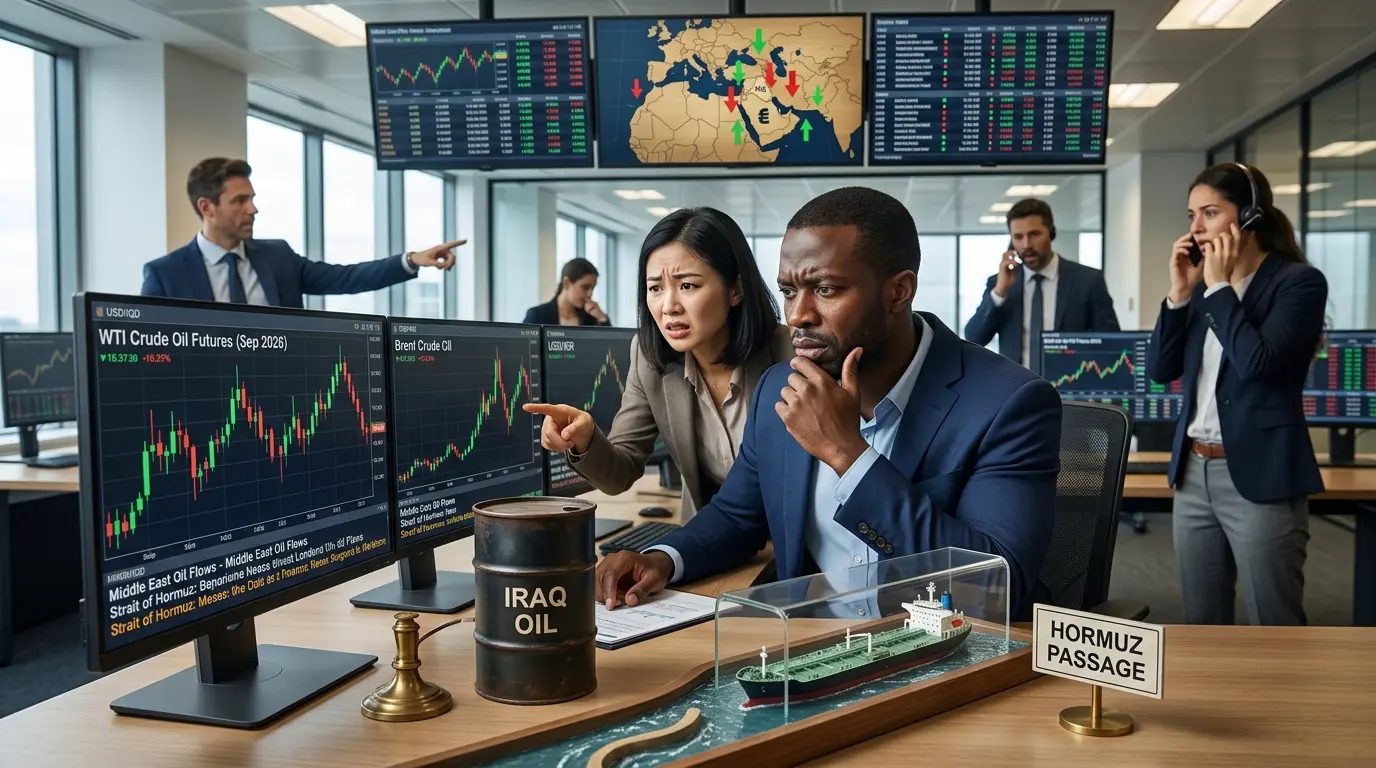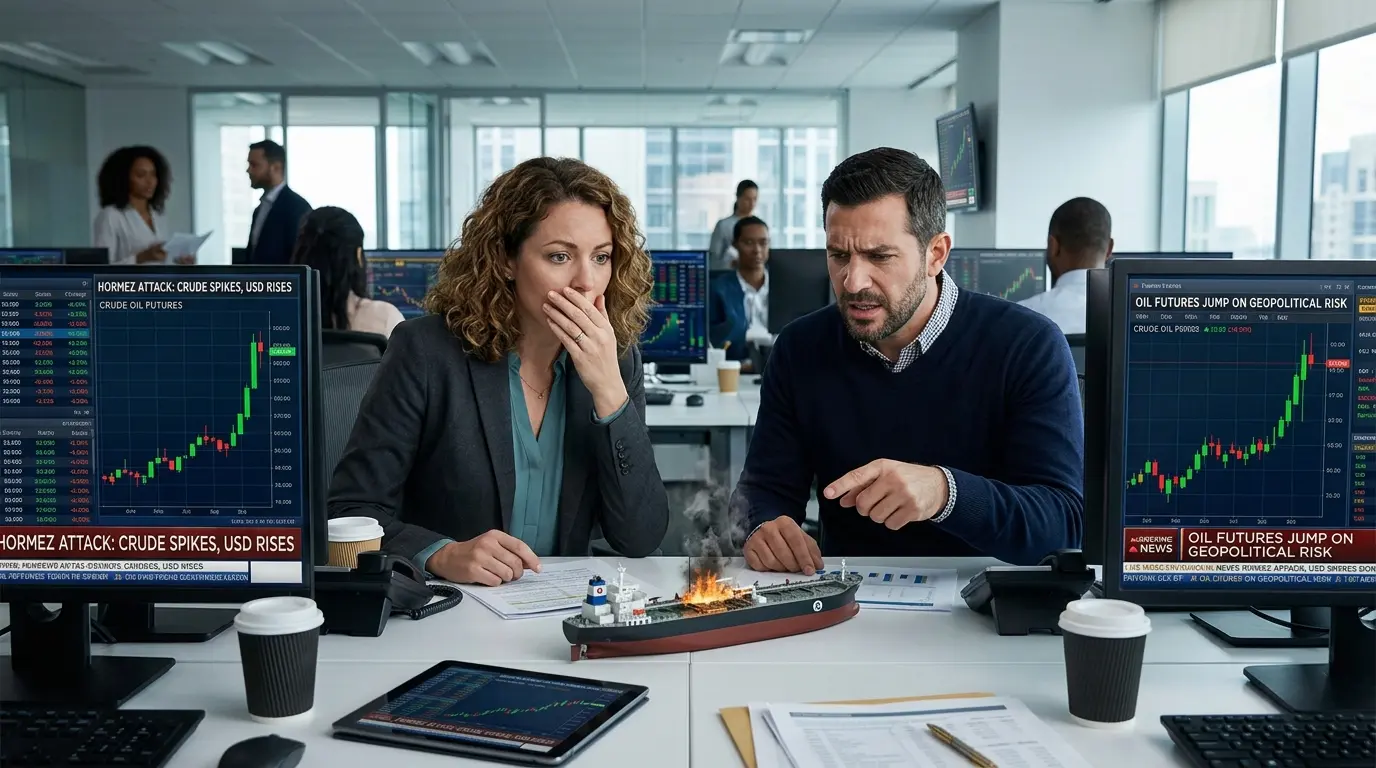
Iranian Foreign Ministry spokesman Esmaeil Baghaei stated on August 10, 2026, that Iran hopes neighboring countries in the region will move proactively to strengthen regional security. The statement comes as geopolitical friction across the Middle East keeps crude oil volatility elevated and safe-haven demand active across global currency and futures markets. For retail and funded traders, Baghaei’s public overture highlights an ongoing diplomatic tug-of-war that directly impacts energy benchmarks, equity futures, and FX cross-currency spreads.
Key takeaways
- Iranian Foreign Ministry spokesperson Esmaeil Baghaei publicly called on neighboring Middle Eastern states on August 10, 2026, to take joint action to bolster regional security.
- Diplomatic commentary from Tehran often acts as a barometer for immediate supply disruption risks across Persian Gulf oil transit routes and energy derivatives.
- Traders are monitoring whether this security appeal signals a temporary easing of geopolitical friction or tactical positioning ahead of further regional developments.
- Safe-haven currencies like the US dollar and Swiss franc remain sensitive to Iranian diplomatic messaging alongside crude oil futures contract pricing.
What happened: Iran calls for neighbor-led regional security
On August 10, 2026, Iranian Foreign Ministry spokesman Esmaeil Baghaei addressed regional security conditions, expressing Iran's expectation that neighboring nations will take concrete steps to strengthen security arrangements across the Middle East, according to reporting by Investing.com. Baghaei's comments reflect Tehran's official diplomatic stance emphasizing regional self-reliance and bilateral security ties with surrounding Persian Gulf states.
In geopolitical market context, statements from Iran's diplomatic apparatus regarding regional security carry immediate weight for financial instruments tied to Persian Gulf stability. While no specific multilateral treaty or defense agreement was announced alongside the August 10 remark, official foreign ministry communications serve as critical signals for institutional desks calibrating geopolitical risk premiums. This statement follows months of broader regional frictions where market participants have closely parsed public statements from Iranian officials regarding regional stability and trade routes.
Why it matters for traders: Deconstructing the risk premium
Geopolitical headlines involving Iran directly influence two primary market channels: energy futures volatility and broader risk-off currency positioning. When Iranian diplomatic figures like Esmaeil Baghaei speak on regional security, energy desks evaluate whether the language signals stabilization or impending escalation across key marine chokepoints like the Strait of Hormuz.
For futures traders navigating West Texas Intermediate (WTI) and Brent crude contracts, diplomatic rhetoric offers crucial context around structural supply risks. A move toward regional security coordination could lead traders to unwind geopolitical risk premiums built into crude oil futures. Conversely, if market participants interpret Baghaei's call as an acknowledgment of heightened regional vulnerability, energy prices could sustain elevated volatility spikes. This dynamics directly affects prop firm challenge traders on platforms such as Tradeify and FundedNext, where strict daily drawdown limits require precision when trading headline-driven energy swings.
In foreign exchange markets, regional security developments in the Middle East drive capital flows between high-beta currencies and traditional safe havens. Persistent geopolitical headline risk typically supports the US dollar and Swiss franc while pressuring energy-importing economies. As previously analyzed regarding escalating Middle East tensions, currency pairs such as EUR/USD and USD/JPY remain highly reactive to geopolitical developments in the region. Furthermore, international central banks have acknowledged how geopolitical friction filters into broader macroeconomic stability, a theme detailed in our coverage of eurozone energy exposure.
What to watch next: Catalysts and levels for energy and FX
Traders should monitor several key indicators and diplomatic follow-throughs in the coming sessions following Baghaei's statement:
- Official responses from neighboring Gulf nations: Statements or diplomatic engagements from Saudi Arabia, the UAE, or Iraq regarding regional security proposals will clarify whether Baghaei's statement leads to tangible regional dialogue.
- Crude oil futures price action: Watch key psychological levels and option implied volatility on Brent and WTI contracts to determine if institutional order flow is pricing out or building in geopolitical risk premiums, as noted in prior analysis of crude oil risk premiums.
- Weekly crude inventory reports: Energy traders must cross-reference diplomatic statements with physical market reality, including US EIA inventory numbers and regional export flow data.
- Session timing and liquidity gaps: Headline volatility surrounding Iranian diplomatic commentary often breaks during European or early North American sessions, creating potential liquidity gaps in index futures and FX spot markets.
Frequently asked questions
How do diplomatic statements from Iran impact crude oil futures?
Statements regarding regional security directly affect the geopolitical risk premium priced into crude oil contracts. Declarations that suggest diplomatic engagement can lower implied volatility and ease crude prices, whereas remarks highlighting vulnerability or confrontation can trigger rapid upside spikes in WTI and Brent futures.
Which currency pairs are most sensitive to Middle East security headlines?
Geopolitical headlines from the Middle East typically drive capital into safe-haven currencies like the US dollar and Swiss franc. Energy-dependent currencies, including the Japanese yen and European currencies, often experience downward pressure during periods of heightened regional tension due to potential energy import price spikes.
How should prop firm traders manage risk during headline-driven news events?
Traders operating funded accounts should maintain strict position sizing, avoid holding unhedged positions across high-impact diplomatic briefings, and utilize hard stop-losses. Sudden shifts in geopolitical sentiment can cause rapid slippage in crude oil and index futures, threatening daily drawdown limits on prop firm challenges.
Trading carries a substantial risk of loss; past performance and prior market reactions do not guarantee future results. This is market commentary, not advice.