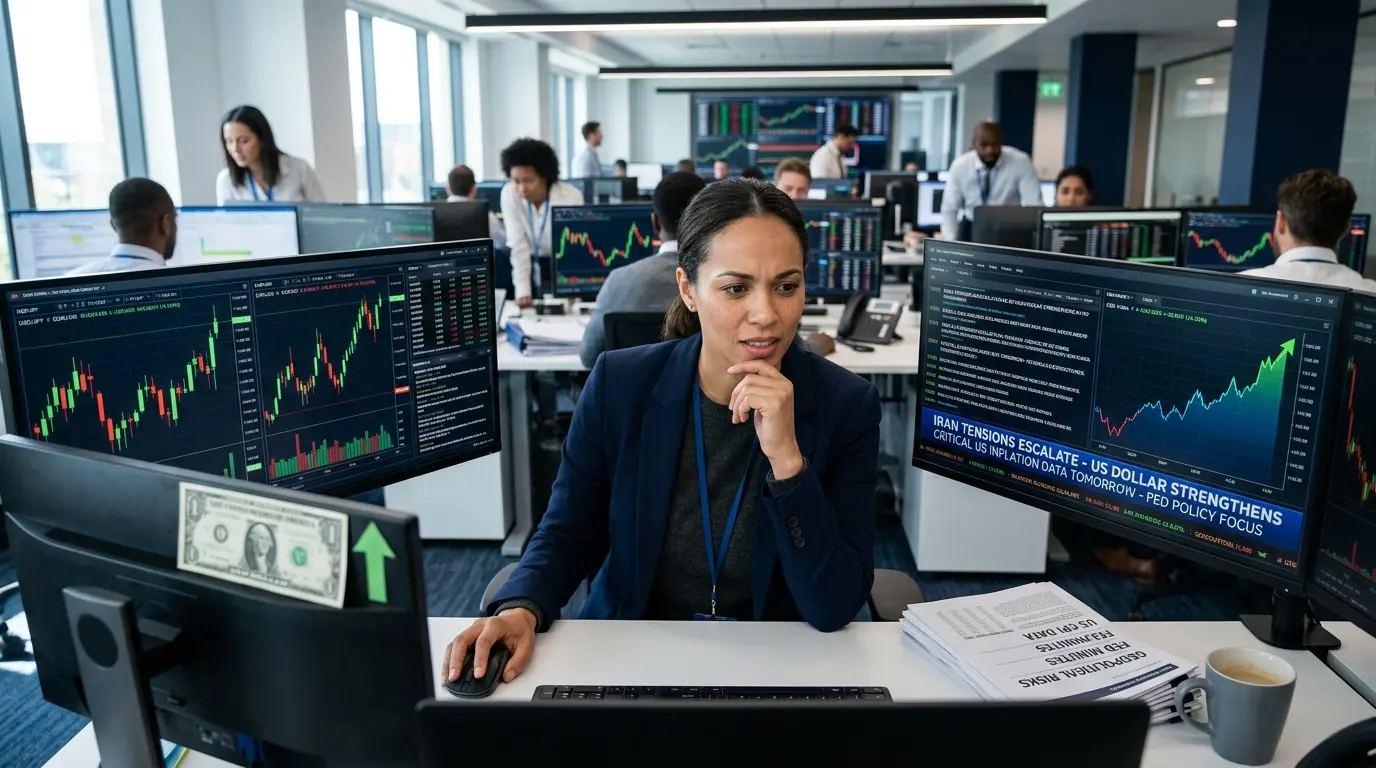
On August 23, 2026, Iran issued a direct warning to neighbouring Middle Eastern nations against supporting or adhering to newly proposed U.S. sanctions while the Strait of Hormuz remains closed to commercial maritime transit. The escalation reinforces supply disruption risks in global crude oil markets and amplifies safe-haven demand for the U.S. dollar across foreign exchange markets. For futures and forex traders, the continued maritime bottleneck threatens sustained energy volatility and elevated geopolitical risk premiums across key financial benchmarks.
Key takeaways
- Iran warned neighbouring regional governments on August 23, 2026, that joining U.S. sanctions will be treated as a hostile act while the Strait of Hormuz remains closed.
- The continued closure of the Strait of Hormuz keeps a vital corridor for global sea-borne crude oil and liquefied natural gas offline.
- Energy futures traders face heightened overnight gap risk, expanded bid-ask spreads, and potential margin hikes on WTI and Brent contracts.
- Foreign exchange markets continue to price in safe-haven U.S. dollar strength alongside downside risks for net energy-importing currencies.
Iran's Warning and the Hormuz Blockade
According to reports published on August 23, 2026, via Investing.com, Iranian authorities delivered an explicit warning to neighboring Gulf states against cooperating with U.S. sanctions initiatives aimed at Tehran. The warning arrives as the Strait of Hormuz remains shut, effectively halting standard maritime tanker traffic through one of the most critical energy supply passages in the world.
Iranian officials stated that any regional participation in enforcement or diplomatic alignment with American sanctions would carry direct security consequences. The combined effect of active diplomatic threats and an ongoing maritime closure has escalated regional risk premiums. Because roughly a fifth of global petroleum consumption flows through the Strait of Hormuz, even minor delays or prolonged blockades create severe structural friction for physical oil markets and international shipping networks.
Why It Matters for Traders
The convergence of physical supply blockades and escalating diplomatic pressure alters market dynamics for both futures and forex traders. Energy markets remain exceptionally sensitive to maritime choke points, building upon previous volatility seen during Strait of Hormuz shipping disruptions.
1. Crude Oil and Energy Futures Volatility
With commercial shipping through the Strait of Hormuz restricted, crude oil futures contracts (CL and QA) face structural supply concerns. Physical oil flow disruptions typically force refiners and commercial hedgers to secure spot allocation at premium rates, pushing the front end of the futures curve into sharp backwardation. Futures traders must manage extreme overnight gap risks, particularly across Sunday market opens when headlines break outside regular pit trading hours.
Prop firm traders operating on platforms like Goat Funded Futures or Earn2Trade must monitor maximum daily loss thresholds carefully. Slippage around geopolitical news releases can execute market orders well past intended stop-loss levels, endangering funded accounts.
2. FX Impact: Safe-Haven Dollar vs. Energy Importers
In foreign exchange trading, geopolitical instability in the Middle East historically triggers dollar safe-haven flows. The U.S. dollar benefits dual-fold: first as the world's primary reserve asset during geopolitical crises, and second due to the relative energy independence of the United States compared to Europe or Asia.
Conversely, currencies of net energy-importing economies—such as the Japanese yen (JPY) and European currencies (EUR, GBP)—face headwind pressures from elevated import bills and potential stagflation risks. Commodity-linked currencies like the Canadian dollar (CAD) face a mixed outlook, balancing higher energy export values against broader market risk aversion.
3. Liquidity and Spread Widening
Uncertainty surrounding military readiness and sanction enforcement frequently leads liquidity providers to pull depth from order books. A sudden retail energy trading surge often coincides with wider bid-ask spreads across brokerages and exchanges. Intra-day momentum strategies can suffer severe drag from execution slippage during high-velocity geopolitical headlines.
What to Watch Next
Traders navigating this ongoing geopolitical conflict should prioritize three specific market catalysts over the upcoming sessions:
- Regional Diplomatic Responses: Official statements from neighbouring Gulf Cooperation Council (GCC) governments regarding their stance on U.S. sanction enforcement.
- Naval Escort Announcements: Any potential deployment of U.S. or allied naval escorts to force open commercial transit through the Strait of Hormuz.
- Exchange Margin Changes: Announcements from clearing houses and futures exchanges regarding maintenance margin increases on energy contracts to offset volatility.
Frequently asked questions
How does the Strait of Hormuz closure affect crude oil futures?
The Strait of Hormuz is a vital transit route for global sea-borne petroleum. Its closure restricts physical supply delivery, pushing up spot prices and inducing extreme volatility in WTI and Brent crude futures contracts. Traders must account for widened spreads and substantial gap risk while shipping remains halted.
Which currency pairs are most vulnerable to Iranian geopolitical tensions?
Currencies belonging to major energy-importing regions, such as EUR/USD and USD/JPY, experience heightened vulnerability. Rising crude prices increase trade deficits for energy importers, whereas the U.S. dollar typically gains support from safe-haven flows and domestic energy production.
How should prop firm traders adapt to high geopolitical risk?
Prop firm traders typically manage geopolitical risk by reducing position sizing and leverage to prevent automated liquidations triggered by unexpected volatility spikes. Restricting unhedged exposure across weekend opens and major news broadcasts remains a common risk-management practice during active regional conflicts.
Trading carries a substantial risk of loss; past performance and prior market reactions do not guarantee future results. This is market commentary, not advice.