On July 21, 2026, markets are caught in a fundamental crosscurrent as escalating Middle East tensions collide with an impending flood of corporate earnings, according to Investing.com. The convergence of these two catalysts forces traders to navigate a complex environment split between macroeconomic safe-haven flows and microeconomic equity valuations.
Key takeaways
- Escalating tensions in the Middle East are driving safe-haven demand, elevating geopolitical risk premiums across energy and forex markets.
- A dense schedule of corporate earnings is simultaneously hitting the wire, serving as a competing risk-on catalyst for equity index futures.
- The clash between macroeconomic headline risk and microeconomic earnings data is creating erratic intraday volatility, complicating directional market plays.
- Traders are closely monitoring crude oil futures and traditional safe-haven currencies like the US dollar and Swiss franc for immediate reactions.
What happened
According to July 21, 2026 reporting from Investing.com, the trading session is being dominated by two distinctly opposing forces: a rise in geopolitical friction in the Middle East and a high-volume wave of incoming corporate earnings. The early market action reflects a clear repricing of systemic risk. Investors are simultaneously digesting the potential for global supply chain and energy disruptions alongside the raw financial health of major reporting corporations.
Why it matters for traders
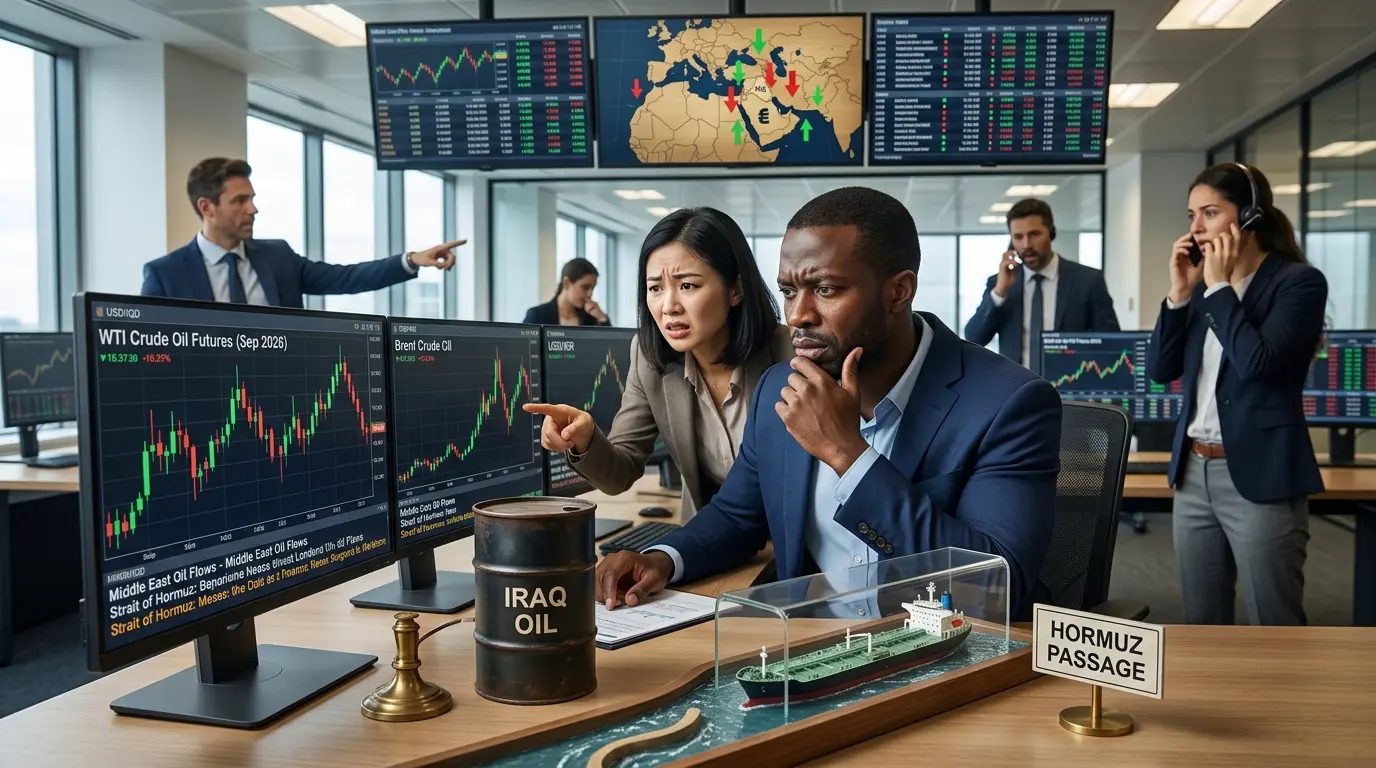
For active participants in forex and futures markets, the intersection of geopolitics and corporate earnings is notoriously difficult to trade. Middle East tensions traditionally inject immediate, headline-driven volatility into energy markets—specifically crude oil futures—as well as safe-haven assets. When geopolitical risk flares up, algorithmic and institutional flows typically rush into the US dollar, the Swiss franc, and gold futures.
However, this macro risk-off environment is currently fighting against a heavy corporate earnings docket. Earnings serve as the primary fundamental driver for equity index futures like the S&P 500 and Nasdaq 100. Strong earnings data can trigger aggressive buying in index futures, only for those gains to be instantly erased by a geopolitical news flash. This creates a dangerous tug-of-war dynamic in the order book, characterized by wider spreads, sudden liquidity vacuums, and vicious stop-hunts during the overlap of the European and US trading sessions.
For traders utilizing funded accounts at prop firms like FTMO, navigating these mixed signals requires stringent adherence to drawdown limits. Holding risk overnight during geopolitical escalations or trading blindly into major earnings releases can quickly compromise an account. Managing this dual-sided volatility often means reducing position sizes and leaning heavily on established risk management rules rather than taking aggressive directional bets.
What to watch next
Traders must monitor the immediate price action in crude oil futures and the US dollar index to gauge the severity of the geopolitical risk premium being priced into the market. Simultaneously, the reaction of equity index futures to the top-tier corporate earnings reports will dictate whether fundamental corporate health can overpower macroeconomic fear.
Frequently asked questions
How do Middle East tensions impact forex markets?
Escalating geopolitical risk typically drives institutional capital into safe-haven currencies. Forex traders often see sudden, aggressive buying in the US dollar, Swiss franc, and Japanese yen as market participants move capital away from higher-yielding, riskier currencies during periods of uncertainty.
Why do earnings and geopolitics create difficult trading conditions?
Earnings and geopolitics act as competing catalysts. Solid corporate earnings encourage risk-on buying in equities, while geopolitical threats trigger risk-off selling. When both happen simultaneously, markets can experience violent whipsaws as trading algorithms react to alternating positive micro data and negative macro headlines.
How should futures traders adapt to severe headline risk?
During periods of elevated headline risk, futures traders often reduce standard position sizes, widen stop losses slightly to avoid being chopped out by spread widening, and avoid holding positions over the weekend. Utilizing robust futures trading platforms with low-latency execution is also critical for managing sudden price spikes.
Trading carries a substantial risk of loss; past performance and prior market reactions do not guarantee future results. This is market commentary, not advice.